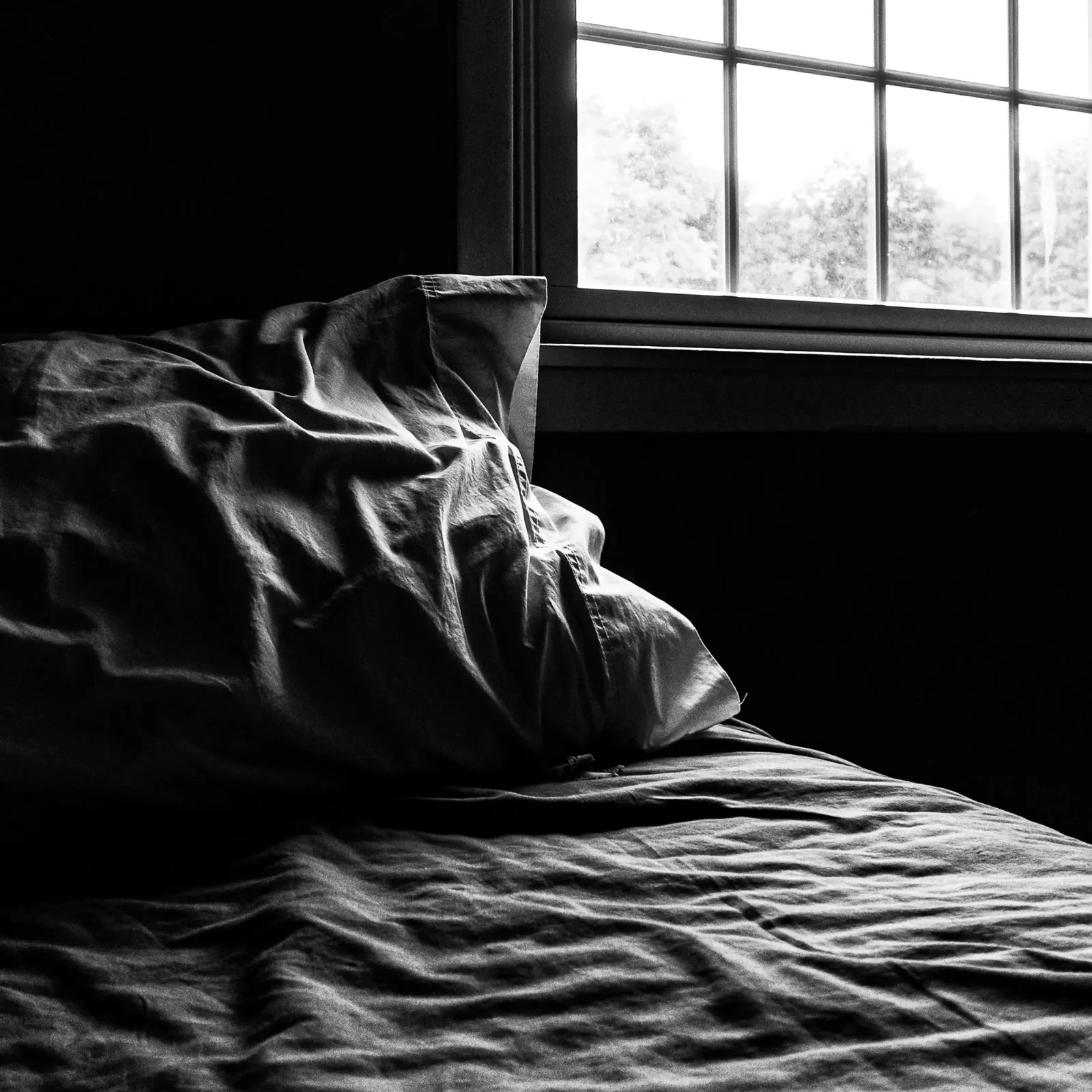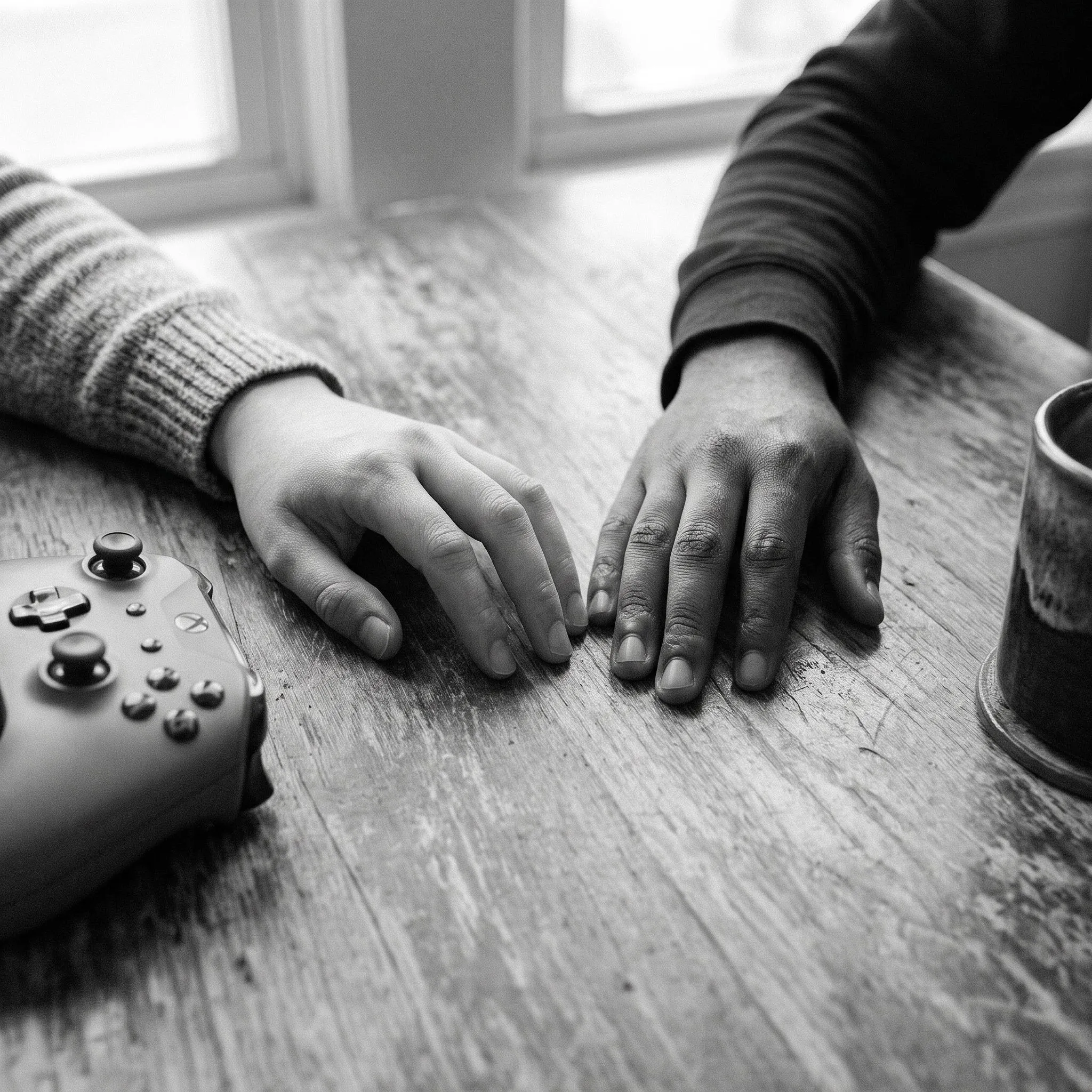
Have you ever felt like your art and creativity are inextricably tied to your productivity? For late-diagnosed AuDHD (co-occurring Autism and ADHD) people, creative expression often occupies a deeply paradoxical position in daily life. On one hand, creative play is an essential regulatory tool, offering us hyperfocus state access, sensory processing integration, and emotional catharsis. On the other hand, AuDHD artists may find our art making processes becoming tied to a source of severe psychological distress, perfectionist paralysis, and even chronic artistic and autistic burnout.
During childhood or prior to identifying our neurodivergence, neurodivergent individuals often engage in intuitive, unmasked artistic exploration. However, as developmental demands increase and neuronormative societal expectations are internalized, the original artistic and autistic joys of creation are systematically replaced by an internal evaluative stance. So often, our creative practices shift from joyful and connected to being encoded and experienced as high-stakes metrics of personal productivity and social acceptability.
For late-diagnosed or identified ADHD/AuDHD/ASD artists, our relationship with creativity can dramatically shift, post identifying neurodivergence. Through rediscovering ourselves, a painful grief-ridden process of unmasking may reveal gaps in the creative development of who we’ve become, and who we understand ourselves as. As we go to lift the mask, we find a self unattended to, and often so misunderstood across the span of our lives. Many creatives may go their lives knowing they’re artistically inclined, and a neurodivergent diagnosis may reveal how creative expression has turned into another performance, fueled by self evaluation, perfection, and the feeling of watching yourself live your life from the outside in.
A note from Laury on being both Artistic and Autistic
By the time I began my graduate program studies to become a therapist, I already knew I had ADHD. Finally, I had a framework to understand what I and everyone around me had misunderstood about me. Then came a second wave, this time larger and carrying even more stigma: during the final year of my grad program, I discovered I am autistic. At the time, my psychotherapist did not know what “AuDHD” stood for and, with the best of intentions, said, “Laury, I thought you were just Artistic, not Autistic.” It turns out someone can be both, and not knowing can be the difference between surviving and living a life that is authentically worth living. I deeply understand the experience of AuDHD burnout after trying so hard to express myself when words failed me. Painting with total expressive freedom and without inner direction is my and so many of my clients’ life-saving grace. I know how deeply healing expressive art can be when telling the story of our lives, and having someone who truly understands and cares makes all the difference after living through so many compounding misunderstandings of who you are.
When expressive play is subsumed by internalized capitalism, which values us only off of what we can produce, the autonomic nervous system shifts from a state of social engagement and curiosity into sympathetic arousal or dorsal vagal shutdown. For creatives with a dual neurodivergent profile of AuDHD, this shift can convert creative impulses into perceived existential threats, precipitating creative shame and long-term burnout.
This guide synthesizes contemporary neurodiversity paradigms, somatic psychology, and creative recovery modalities adapted from Julia Cameron’s work, The Artist’s Way, to outline a neuro-affirming framework for dismantling our internalized isms and repaving neural pathways of somatic safety in our artistic practices.
The Roots of Creative Shame: Why Art Feels Like Work
Understanding creative blockage in AuDHD individuals requires examining the intersection of executive dysfunction, sensory overload, and chronic masking in our lives. Creative shame does not emerge in a vacuum; it is the natural consequence of applying neuronormative productivity standards to non-linear neurocomplex neurology.
Research into late-diagnosed neurodivergence highlights several critical mechanisms that compound creative blockages and emotional exhaustion across the dual spectrum:
- Monotropic Focus vs. ADHD Novelty Seeking: Autistic cognitive architecture is characterized by monotropism, a tendency to allocate attention deeply to a single interest stream. Conversely, ADHD neurology demands novelty, rapid context shifts, and frequent dopamine variation. When these two drives collide, individuals experience intense internal friction. Natural shifts in creative interest are misattributed to personal moral failure rather than recognized as organic neurological regulation.
- Internalized Ableism and Productivity Coupling: A lifetime of masking non-conforming traits creates a conditioned belief that self-worth is entirely contingent upon external output. When creative activities are subjected to these same commercial standards, genuine self-expression becomes impossible.
- PDA Dynamics: For individuals with a Pervasive Drive for Autonomy or PDA profile, any internal or external expectation around art can transform a beloved activity into an unbearable threat to autonomy, triggering immediate creative avoidance.
- Executive Dysfunction and Sensory Depletion: Autistic burnout severely impairs task initiation, working memory, and emotional regulation. Attempting to force artistic output during a season of acute executive depletion exacerbates central nervous system overload, with potential to lock the artist into persistent shame cycles.
Recognizing these neurodivergent dynamics allows us to reframe creative paralysis not as laziness or lack of discipline, but as an adaptive, protective neurological safety response.
Are You in Creative Burnout? Key Signs to Watch For
When creative expression becomes heavily entangled with perfectionism and external validation, specific somatic indicators manifest consistently:
- Loss of Intrinsic Spontaneity: You experience the creative process as an arduous, rigid checklist item rather than an exploratory sanctuary. Your capacity to witness and be witnessed through the impact of your creativity is depleted.
- Severe Perfectionist Guilt: You experience intrusive guilt during rest periods, alongside an inability to value projects that remain unfinished or unmonetized.
- Somatic Distress Signals: Physical tension, shallow breathing, gastrointestinal discomfort, or sensory aversion arise immediately upon approaching the artistic medium.
4 Neuro-Affirming Strategies to Heal Creative Blockages
Restoring creative vitality in AuDHD adults requires replacing evaluative metrics with process-oriented, somatic safety. The following four core practices adapt established expressive recovery modalities to align with neurodivergent nervous system needs.
1. Adapted Morning Pages for Externalizing Cognitive Clutter
Julia Cameron’s concept of Morning Pages involves three daily pages of longhand stream-of-consciousness writing. For AuDHD individuals, this practice must be flexibly adapted to avoid turning into another rigid obligation:
- Multi-Modal Expression: Clients are encouraged to utilize audio notes, typing, tactile mark-making, or visual scribbling when handwriting presents motor or executive functioning barriers.
- Bypassing Internal Censors: The explicit objective is the release of sensory, emotional, and executive backlog without concern for grammar, logic, or future audience review.
2. Sensory-Centric Artist Dates for Replenishment
Artist Dates must shift focus from intellectual enrichment to low-demand sensory nourishment tailored specifically to the individual’s neurodivergent profile:
- Low-Demand Exploration: Engaging in solitary outings focused entirely on pleasing textures, visual patterns, ambient auditory environments, or special interest deep dives.
- Decoupling Input from Output: Establishing absolute boundaries that prohibit translating these sensory experiences into immediate content creation, ensuring the nervous system receives pure restoration.
3. De-Skill Exercises: Reclaiming the Right to Play “Badly”
Dismantling perfectionism requires deliberate engagement with messy, non-functional art-making:
- Intentional Imperfection: Encouraging clients to deliberately produce ugly, uncoordinated, or incoherent pieces specifically to desensitize the nervous system to evaluative anxiety.
- Elimination of Schedules: Removing self-imposed deadlines and completion metrics, reframing abandonments or pauses as natural resting points in cyclical creativity.
4. Somatic Safety, Environmental Design, and Rest
True creative unblocking cannot occur while the body remains in a chronic state of threat or sensory overload:
- Reframing Inactivity: Validating daydreaming, unfocused observation, and physical stillness as active, productive components of the creative gestation process.
- Sensory Accommodation of Space: Modifying the creative environment with dim lighting, proper ergonomic support, noise-canceling technology, and accessible stim tools to reduce physical distress during expression.
Guidance for Therapists, Coaches, and Allies
Professionals working with neurodivergent populations must guard against inadvertently reinforcing internalized ableism. Traditional therapeutic advice that emphasizes behavioral consistency, rigid daily routines, or immediate goal setting often deepens AuDHD burnout and creative shame.
In therapeutic practice that’s neuro-affirming, interventions must prioritize somatic regulation and self-compassion over output metrics. By creating a neuro-affirming space where non-linear neuro-complex processing is fully embraced, practitioners can help late-diagnosed adults and teens dismantle internalized systems of domination and safely reconnect with their authentic artistic expression.
Final Thoughts: Returning to Sacred Creative Play
Unlearning creative shame and recovering from AuDHD burnout may require a fundamental paradigm shift away from productivity-centric evaluation toward neuro-affirming, somatic-led exploration. When neurodivergent creators are granted the freedom to experiment without demand, embrace cyclical seasons of focus, and honor their sensory boundaries, artistic expression may be allowed to return to its true function: a nourishing, restorative sanctuary for self discovery, expression to live creative lives authentically worth living.
Looking for Creative, Neuro-Affirming Support?
Unlearning decades of masking, unraveling internalized ableism, and stepping into authentic self-advocacy is a deeply personal, non-linear journey of healing, grief, and self-discovery. For late-identified autistic and AuDHD adults, recovering from burnout requires space to honor your nervous system’s unique rhythm, and you do not have to navigate this integration in isolation.
In Therapy with Laury, I provide a compassionate neuro-affirming therapy for creative, autistic, ADHD, and otherwise neurodivergent adults and teens. As a therapist who shares neurodivergent lived experience as late identified AuDHD, we move at a pace that honors your nervous system’s true capacity, supporting you in cultivating somatic safety and rebuilding authentic connection.
Reach out here to schedule a free 30-minute consultation and see how it feels to show up exactly as you are.
References
- Arena-Perkinson, A. (2026). When Knowing Yourself Makes Other People Uncomfortable (After Late Diagnosis). Your Brain Is Beautiful.
- Cameron, J. (1992). The Artist’s Way: A Spiritual Path to Higher Creativity. Jeremy P. Tarcher/Putnam.
- Kyser, K. (2026). What If We’ve Mistaken Adaptation for Healing?
- Neff, M. A. (2023). Neurodivergent Insights: Clinical and Lived Experience Resources.
- Price, D. (2022). Unmasking Autism: Discovering the New Faces of Neurodiversity. Harmony Books.
- Raymaker, D. M., Teo, A. R., Steckler, N. A., Lentz, B., Scharer, M., Delos Santos, A., … & Nicolaidis, C. (2020). “Having All of Your Internal Resources Exhausted Beyond Measure and Being Left with No Clean-Up Crew”: Defining Autistic Burnout. Autism in Adulthood, 2(2), 132-143.
- Walker, N. (2021). Neuroqueer Heresies: Notes on the Neurodiversity Paradigm, Autistic Empowerment, and Posthuman Possibilities. Autonomous Press.
Laury Monk, MA, AMFT
I’m a neuro-affirming therapist working with adults and teens. I write here about ADHD, autism, burnout and finding care that fits.
This post is for general information and isn’t a substitute for therapy or medical advice.